Can Dental Implants Support a Dental Bridge?
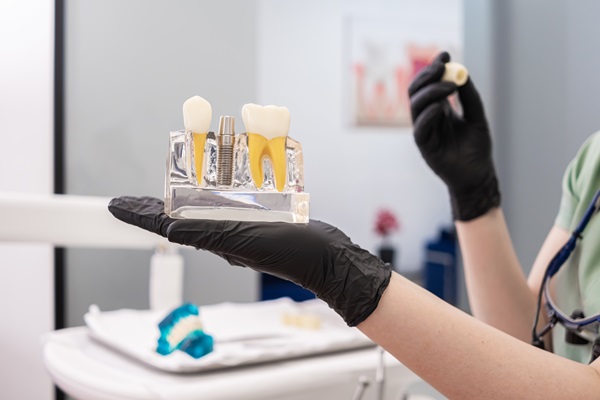
Looking for information on dental implants? If you have suffered significant tooth loss, but not enough to need a complete arch replacement, you can get a dental bridge supported by dental implants. Implant-supported bridges can provide a reliable, functional, and long-term solution to tooth loss. Unlike traditional bridges or removable partial dentures, a dental implant-supported bridge will not need the support of the surrounding healthy teeth.
How do bridges supported by dental implants work?
In a traditional dental bridge, existing teeth on the sides of the missing tooth are filed down and covered with dental crowns that will support the new false tooth. This means that there had to be healthy teeth on the jaw to hold the bridge. It has been used for decades for replacing a lost tooth. Bridges are usually created from porcelain, so they are customizable to match the remaining teeth.
With implant-supported bridges, dental implants are inserted into the jaw, providing a solid anchor as the bone and the titanium post fuse together. A bridgework of false teeth is fabricated to match the shape, size, and color of the existing teeth. The bridge is then attached to the implant.
After the implants are placed, patients will need to keep up with dental checkups to ensure the bone is healing correctly. The success of the procedure depends on the osseointegration process. Using dental implants to support a dental bridge makes it more stable and functional.
The benefit of implant-supported dental bridges
Implant-supported dental bridges do not require natural teeth. Each end of the bridge is anchored to a single dental implant. They are suitable in cases of multiple missing teeth. They make it possible to replace more teeth than a conventional bridge. As many as three to five teeth can be restored at one time. Implants are incredibly strong and can handle more weight than a regular tooth.
Regular bridges weaken eventually. Decay can occur around the supporting teeth. Bone loss can compromise their fitting. Most traditional bridges need to be replaced every decade or so. In a few decades, patients may end up paying for two or three dental bridges.
The constant repair and refitting of bridges cause the deterioration of the supporting teeth. Eventually, there may not be enough enamel to perform the process. If issues occur with only one tooth, it may be difficult for the other healthy tooth to provide support to the bridge adequately. Therefore, there are more risks with traditional bridges than using implants to support a bridge.
An implant-supported bridge lasts longer than regular bridges. The tooth restoration can last a lifetime with proper care and maintenance. Even if the bridgework deteriorates, the implants underneath will not need to be replaced or refitted. Implants are considered the most durable tooth replacement option available. Once the bone fuses with them, the implants are secure and help to improve bone quality.
Are you considering getting dental implants?
Tooth replacement with a dental bridge supported by dental implants can help to maintain the natural alignment of the teeth. To know whether you are eligible for this option, book an appointment with an experienced dentist. The sooner the replacement is done, the better.
Request an appointment here: https://www.bdentalspa.com or call b Dental Spa at Norwood at (201) 367-2552 for an appointment in our Norwood office.
Check out what others are saying about our dental services on Yelp: Dental Implants in Norwood, NJ.
Related Posts
If you have had tooth implants for a while, you may begin to notice discoloration, depending on the type of material used to make the implant crown. Usually, with more expensive options like zirconia, there should be minor or no discoloration, but cheaper options like plastic or composite may start to change color. If an…
Straightening teeth is convenient with Invisalign®. This innovative orthodontic treatment uses clear, custom-made aligners to address dental misalignment while maintaining a discreet appearance. Invisalign has transformed the way smiles are improved, offering comfort, flexibility, and efficiency. Exploring the basics and best practices to learn how Invisalign became a trusted solution for achieving a healthier, more…
Invisalign® has transformed the way patients approach orthodontic treatment, offering a discreet and effective alternative to traditional braces. This innovative system uses clear aligners to straighten teeth, improve oral health, and enhance smiles without the need for metal brackets or wires. For those seeking a modern solution to dental alignment, Invisalign provides convenience, comfort, and…
Research shows that most people prefer Invisalign® to traditional braces. This dental straightening system involves the use of durable and comfortable plastic aligners. Each new tray is different from the last to gradually align teeth. Understanding the Invisalign advantage can motivate you to continue the treatment.A general dentist trained in Invisalign will conduct a thorough…